
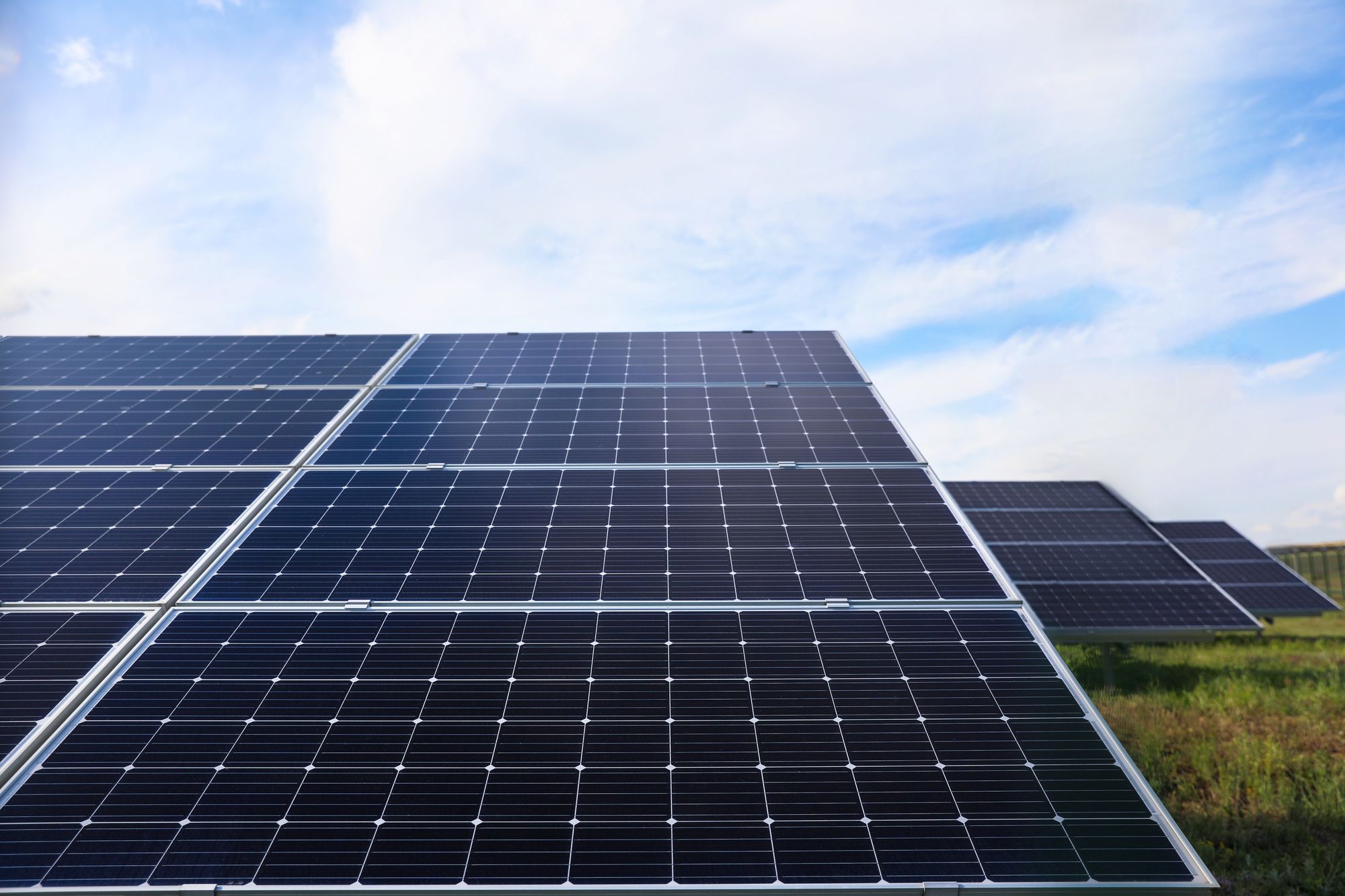
Photovoltaic systems work best when their panels are free of dirt, dust, moss and lichen. When spring arrives and the sun becomes stronger, it is worth inspecting the system particularly carefully in preparation for the high-yield summer half of the year. This is the advice of Zukunft Altbau, an information programme funded by the Baden-Württemberg Ministry of the Environment. Heavy soiling can be seen with the naked eye, especially at close range. It can reduce a solar system’s output by up to 15 per cent. Losses in yield can be identified with the help of an app that records production. If current figures are significantly below target, a solar-system check is advisable. The connections and battery storage should also be examined. As a rule, however, owners of photovoltaic and solar thermal systems should not climb onto the roof themselves, but leave inspection and cleaning to specialists. Balcony solar systems, by contrast, can be cleaned by owners themselves.
How severely a photovoltaic system is affected by soiling depends in part on its location. Near roads or industrial facilities, contamination from soot particles, particulate matter and other pollutants is often quite high. In rural regions, pollen, moss and bird droppings soil the panels. The pitch of the roof also affects the level of contamination. The flatter a roof, the more stubbornly unwanted deposits remain on the photovoltaic system. Systems on roofs with a pitch of less than 15 degrees need particularly frequent inspection. Rain has less of a self-cleaning effect there, which adversely affects the system’s performance.
The ideal time for a solar-system check
A solar-system check is best carried out after winter. In spring, a solar system generates significantly more electricity than during the winter months. It produces only about five per cent of its annual yield in December and January. From March, when Germany once again has more hours of sunshine, electricity generation rises markedly. Between March and September, systems generate 80 per cent of their annual yield. Having them inspected before this period ensures that the yield from the sunny months can be used to the full.
Check the app: what system owners can inspect themselves
Anyone wishing to know whether their home photovoltaic system is working properly should check its electricity yield on a sunny spring day. For almost all systems, this is very easy with the appropriate app. Among other things, it shows the current output and therefore how much electricity the system is producing at that moment. If the readings are below the target yields, this may indicate that soiling or other faults are impairing performance. Comparisons with the previous year’s figures provide a useful guide, adjusted where necessary for the number of sunshine hours specific to the location and year. Error and fault messages are another typical feature of solar-system apps, providing an alert if the inverter fails or the system produces unusually little electricity.
Whether viewed from a roof window, in a photograph or by drone, a close look at the solar panels reveals how dirty they are. What owners generally should not do themselves is climb onto the roof. It is advisable to commission specialists to inspect the condition of the solar panels professionally and clean them if necessary. Good to know: the cost can be deducted for tax purposes.
What specialists inspect
In addition to the panels, experts check all of a system’s electrical connections, including cables and glazing. Some tradespeople use thermographic images for this purpose. These are taken by drone and reveal so-called hot spots, which are defective areas on the panels. The specialists also check that the inverter is working.
As photovoltaic systems require little maintenance, the system does not need to be checked every year. Once every three or four years is sufficient. Specialist contractors often offer an agreed schedule for their inspections. Tradespeople who carry out solar-system checks can be found at specialist solar companies, electrical contractors belonging to a trade guild, or the installation company that fitted the system on the roof. The battery storage can also be inspected during this check.
Special considerations for solar thermal systems
Solar thermal systems should also be checked in spring. Non-specialists can carry out a simple touch test on a sunny day. First touch the pipe leading out of the solar collector. It must feel warmer than the pipe leading into the collector. The pump should also make a quiet humming sound. However, this test says nothing about how well the system is operating; it shows only that it is running. The heat meter can provide an indication of the solar yield. As with a photovoltaic system, current yields should be compared with the previous year’s figures. Specialists also inspect the collectors, circulation pump, antifreeze and controls.
Balcony solar systems: owners can usually clean them themselves
The first sunny days are also a good time to inspect a balcony solar system. These systems rarely need cleaning. However, they can become dirty more quickly if, for example, the balcony is on a busy road, beside an unpaved track or close to many balcony plants. Cleaning is advisable if exhaust residue, dust, pollen or even soil is visibly deposited on the panels, or if moss forms.
If the panel can be reached easily from the balcony or patio, owners can take action themselves. Coarse dirt can be removed carefully by hand or with a soft broom. An ordinary household sponge, preferably its soft side, or a cloth is then sufficient. On flexible panels with a plastic surface, only a soft cloth should be used. Finally, carefully rub the panel dry with a tea towel or microfibre cloth.
Water with a little washing-up liquid or an ordinary glass cleaner are suitable cleaning agents. Aggressive cleaners and metal scourers must be avoided, as they can scratch the surface and permanently reduce electricity yield. Pressure washers are also prohibited because they can damage the electronics. Cleaning is best carried out at mild temperatures. In direct sunlight and intense heat, the water dries too quickly and leaves streaks. The system does not necessarily have to be disconnected from the mains for cleaning. Anyone wishing to be completely safe can nevertheless unplug it.
It is also advisable to take a quick look at the equipment during the check. Is the plug firmly seated in the socket? Are all cables undamaged and correctly connected? If the inverter, usually mounted on the back of the panel, is glowing green, the system is operating normally. A red or red-and-green light indicates a fault. Specialists should be consulted if cables or plugs show visible damage.
Compare current sunshine hours with previous years
At wettercockpit.zukunftaltbau.de, users can display data from the nearest weather station with just a few clicks. This allows current sunshine hours to be compared with those of previous years and placed in relation to the current solar yield. Data going back as far as 20 years is available.