
Heizspiegel 2025: gas heating significantly more expensive again – heat pumps cheaper since 2022
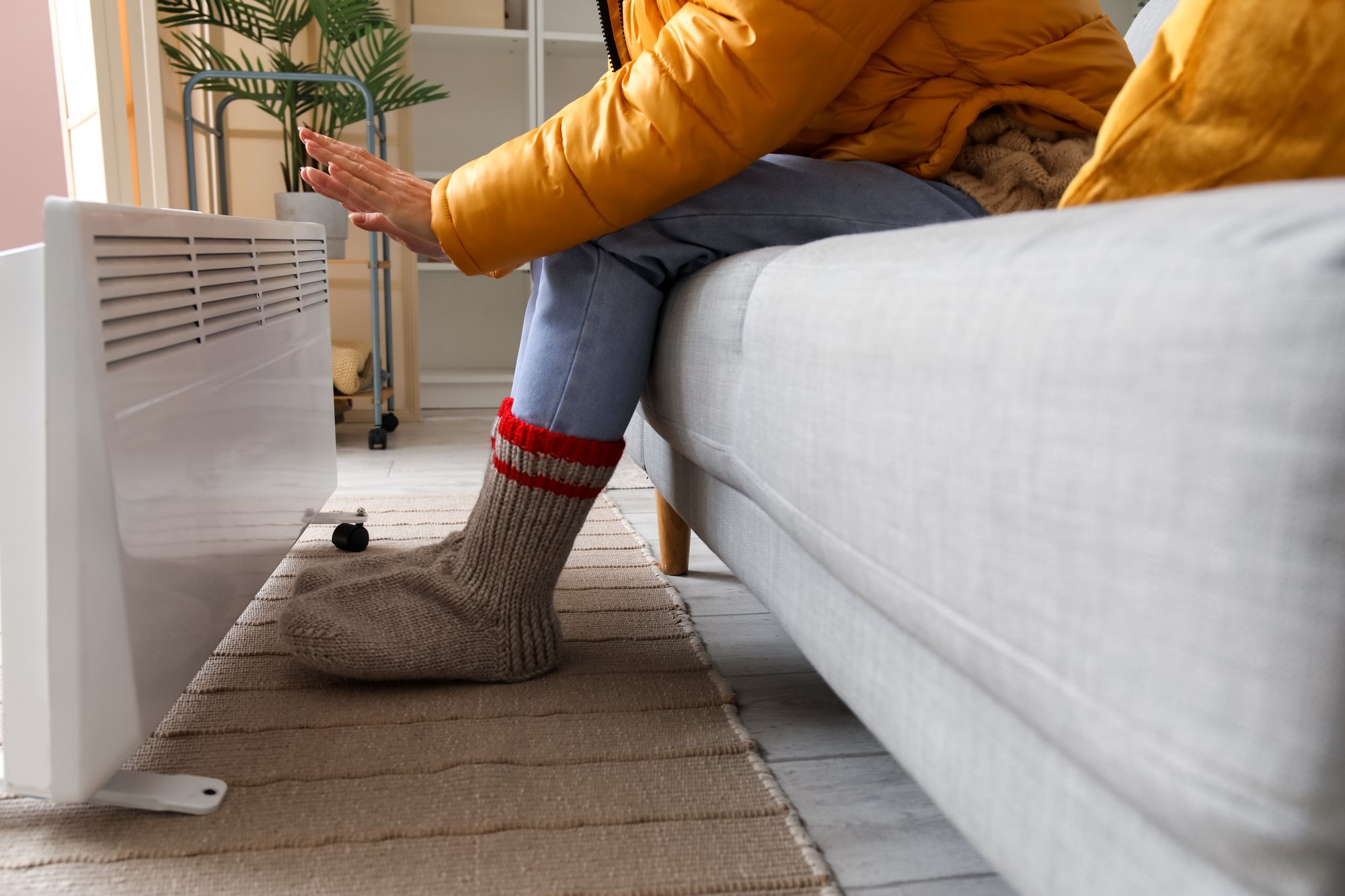
Heating costs in Germany are rising noticeably this year. Households with gas heating are particularly affected. These are the findings of co2online’s latest Heizspiegel für Deutschland 2025 (www.heizspiegel.de), which is based on an analysis of data from more than 90,000 buildings. While gas and pellet prices are rising significantly, heat pumps remain the cheapest heating option by comparison.
Trend reversal: heating becomes more expensive again
In 2024, heating costs were still falling in many households: heat pumps (-19 %) and wood pellets (-20 %) benefited particularly from falling energy prices. Gas heating also became cheaper (-16 %), while district heating (+1 %) and heating oil (-1 %) barely changed.
In 2025, however, the trend is reversing: gas (+15 %) and wood pellets (+20 %) are becoming significantly more expensive, while the costs of heat pumps (+5 %), heating oil (+3 %) and district heating (+2 %) are rising only moderately. The main causes are higher energy prices and the cold winter at the beginning of the year.
Heating with heat pumps has been cheaper than using natural gas and heating oil since 2022. Fossil fuels remain more expensive than they were before the energy crisis.
90 per cent of households can still save
The Heizspiegel shows that 90 per cent of households could reduce their costs by an average of around 400 euros per year. Across Germany, this produces estimated savings of 22 billion euros per year.
Simple opportunities to save remain unused in many households. Correctly setting the room temperature and heating curve, airing rooms properly with short bursts of ventilation while the heating is turned down, and reducing hot-water consumption could alone save up to 10 per cent of energy in the short term.
In the medium term, technical measures are the more effective solution: hydraulic balancing, replacing the pump and insulating heating pipes are low-cost measures with noticeable benefits.
The greatest savings, however, can be achieved only through more extensive investment, such as replacing windows, insulating the building envelope or switching to renewable heating systems.
Long-term forecast: fossil-fuel heating as a cost trap
Heating costs for gas and oil could be around three times as high as today over the next 20 years. This is indicated by forecasts based on the Heizspiegel and calculations by the Ariadne project. According to these figures, an unrefurbished detached house with gas heating incurs heating costs of around 120,000 euros over 20 years. Energy-efficiency improvements and a switch to a heat pump reduce the costs over the same period to around 16,000 euros, a difference of more than 100,000 euros.
The reasons include a rising CO2 price, higher network charges and structural changes in the market. Prices for district heating and wood pellets could approximately double over this period. Heat pumps are expected to remain the most cost-effective heating system.
“The Heizspiegel shows clearly that fossil-fuel heating systems are becoming a cost trap, while heat pumps provide relief in the long term. In an age of fake news, independent data is more important than ever in bringing objectivity to the heating debate,” says co2online Managing Director Tanja Loitz. “Policymakers must now consistently create the conditions that enable every household to switch to renewable heating systems.”
“The Heizspiegel provides useful guidance for assessing heating costs and helps people to save energy,” says Melanie Weber-Moritz, President of the German Tenants’ Association. “But high energy costs arise primarily in old buildings with poor energy performance. Sustainable savings can therefore be achieved mainly by investing in the buildings themselves, for example in the heating system, insulation or replacement windows. Policymakers must create the right conditions to ensure that such investment in rented building stock is tenant-friendly and socially responsible.”
Check consumption and costs
At www.heizspiegel.de, consumers can check their heating-energy consumption and heating costs and receive personalised savings tips. They can be guided through the interactive online tool step by step.