
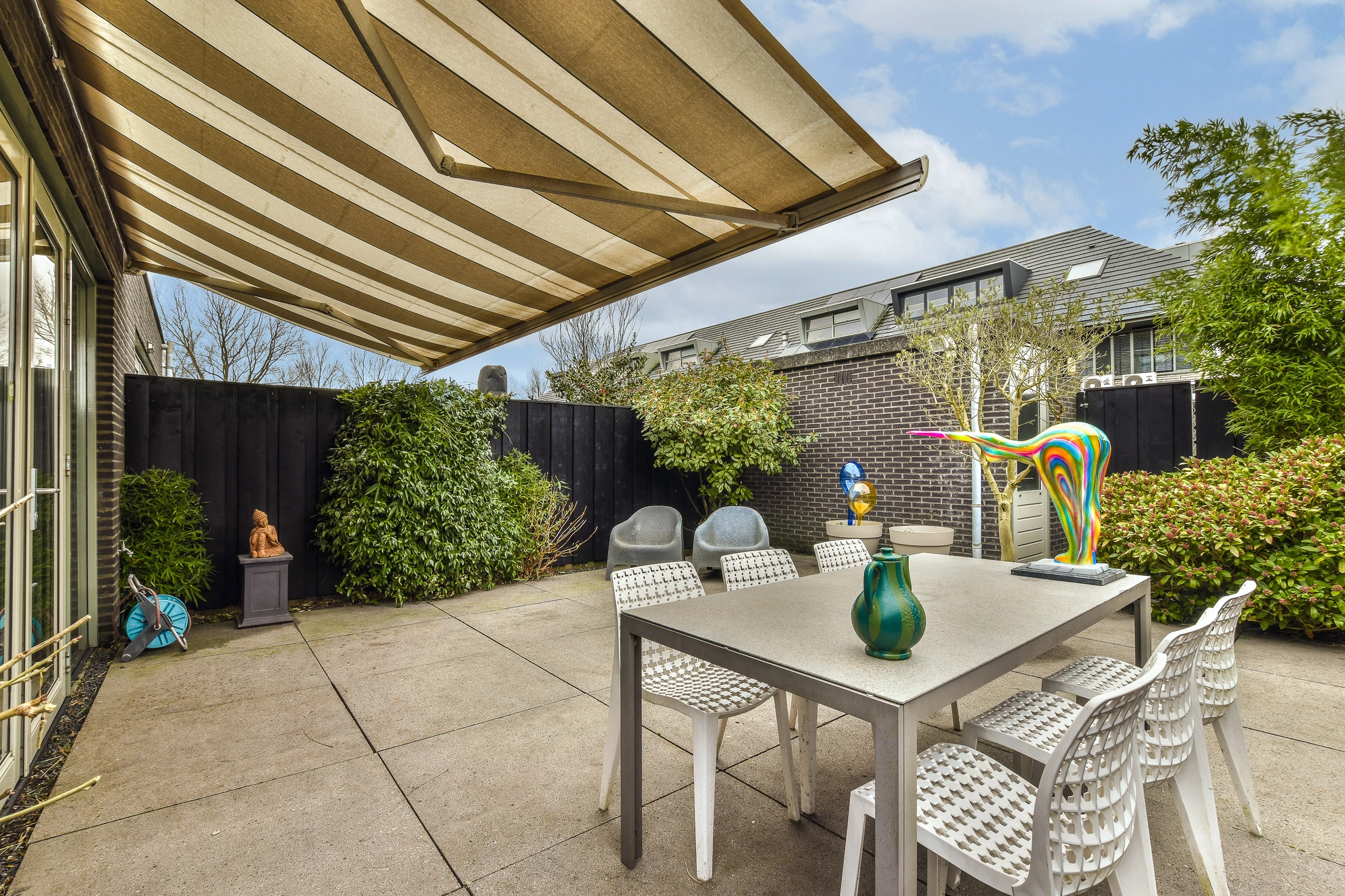
The days are getting longer and the evenings warmer – as temperatures rise, many people are drawn back to the barbecue. Whether on the balcony, in the garden or in communal areas, barbecue season is simply part of summer for many people. To prevent an evening barbecue from becoming an ordeal for neighbours or a danger to property, the legal framework and safety rules should be observed. The German Property Federation (IVD) explains to owners, managers and tenants what is permitted, what is prohibited, and how to enjoy a barbecue safely and considerately.
Consideration comes first: barbecues are not always permitted
In densely populated residential areas, conflict can quickly arise if smoke, smells or noise disturb the neighbourhood. “As a general rule, barbecuing on your own balcony, patio or in your garden is permitted,” says IVD spokesperson Stephen Paul. “But personal freedom ends where the rights of others are adversely affected.”
Although there are no uniform nationwide rules on barbecues, they can become a problem under neighbour law if they repeatedly cause a nuisance. Case law often regards barbecuing once or twice a month as reasonable, provided that neighbours are notified in advance.
Section 22 of the Federal Immission Control Act (BImSchG) also requires significant nuisance from smoke and smells to be avoided. Anyone who barbecues regularly should therefore avoid charcoal barbecues that produce a great deal of smoke, or use an electric or gas barbecue instead. Some cities also have local bans on barbecuing on balconies. Landlords can expressly prohibit barbecues in the house rules or tenancy agreement.
Rules for barbecues in condominium owners’ associations
Special rules apply in condominium owners’ associations (WEGs). Under the German Condominium Act, every owner may use their individually and jointly owned property only in a way that does not unreasonably affect others. Barbecuing also falls under this requirement for “moderate use” (Section 14 WEG).
The owners’ meeting may pass a resolution prohibiting charcoal barbecues on balconies or banning naked flames altogether. Electric barbecues may generally be used, provided that they do not disturb others, as required by Section 14(2)(1) WEG. By contrast, resolutions allowing barbecues only if they produce absolutely no smoke or smell are invalid because such requirements are too vague in law. Unrestricted permission to barbecue may also be open to challenge if it disregards the legitimate interests of other owners.
In communal gardens or areas subject to special rights of use, the individual circumstances are particularly important: the location, frequency and type of barbecuing and, above all, whether there is any specific disturbance. In such cases, individual owners may seek an injunction under Section 1004 of the German Civil Code.
Fire safety: take care on balconies
Barbecuing presents particular risks on balconies. “Charcoal barbecues are not a good idea there,” warns IVD spokesperson Paul. “They reach high temperatures and can throw dangerous sparks.” Rising smoke can also affect neighbouring flats or even trigger smoke detectors. Gas or electric barbecues are a much safer choice on balconies.
Remember safety in the garden too
Safety precautions must also be observed in the garden, especially during dry periods. “Barbecuing in or near forests is generally subject to strict rules,” explains Paul. Minimum distances of 50 to 100 metres from the edge of a forest often apply.
Barbecues should always stand on a fireproof surface and should not be used in strong winds. A sufficient distance should be maintained from combustible materials such as garden furniture, timber façades or hedges. Liquid fire accelerants must never be used; solid barbecue lighters are suitable instead. A barbecue must never be left unattended, and after use care must be taken to ensure that the embers and ash have been fully extinguished. Suitable extinguishing agents such as sand, a fire extinguisher or a fire blanket should always be close at hand so that action can be taken quickly in an emergency.
Permanent barbecue structures: what to consider when building one
Anyone wishing to build a brick barbecue or permanent barbecue fireplace should check the building regulations in advance. Such structures are often regarded as building installations and are governed by state building regulations.
The main considerations are the required distances from neighbouring property, usually two to three metres, and whether planning permission is required if certain heights or dimensions are exceeded. Fire safety also matters: permanent barbecues should always be positioned a sufficient distance from combustible objects such as timber fences or garden sheds. Anyone who is uncertain should contact the local building control authority.